Riggs School Research Symposium
SPONSORED BY

Welcome to the 2026 Riggs School Research Symposium!
You are cordially invited to attend the Riggs School Research Symposium, which combines research talks and poster presentations with student capstone presentations, culminating in one multidisciplinary event showcasing all degree programs in the Henry E. Riggs School of Applied Life Sciences. Researchers from academia and industry will share their experience and developments in the biomedical sciences and engineering. The expected attendance is 200+ students and faculty from KGI and other local colleges and universities, plus industry leaders and friends of KGI.
The Event Starts In:
Keynote Speakers
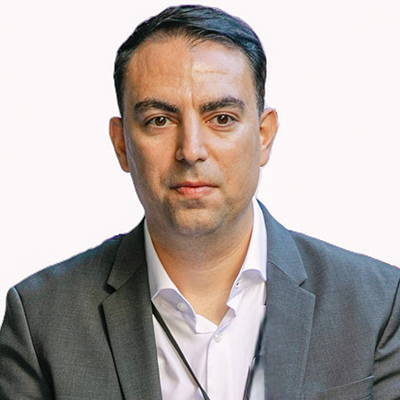
Alborz Mahdavi
Founder and CEO of Protomer Technologies, and Head of Diabetes at Eli Lilly
View Bio & Presentation TitleSchedule & Agenda
Friday, May 1, 2026 | 8:00 a.m. - 5:00 p.m.
Sheldon M. Schuster Campus Center, Keck Graduate Institute | 517 Watson Drive, Claremont, CA 91711 View maps & parking
| 8:00 – 8:30 | Check-in (517 entrance) and light continental breakfast (outside Founder's Room) | |||
| 8:30 – 8:45 | Welcome and Introductions by President Abousalem, Provost Prosser, and Dean Niemz — Founder's Room | |||
| 8:45 – 9:00 | Break / Transition | |||
| Team Master’s Project 535-152 Learn More |
Team Design Project 535-109 Learn More |
Team Master’s Project 535-35 Learn More |
Research Talks 121-1111 Learn More |
|
| 9:00 – 9:50 |
9:00-9:25 TMP
Alexion Pharmaceuticals, Inc.
Benchmarking AI Adoption to Optimize Rare Disease Operation
|
9:00-9:25 TDP
Synapta
Bioprocessing Development of an AAV2 Gene Therapy for Parkinson’s Disease
|
9:00-9:25 TMP
Merck & Co., Inc. 1
Digitizing Integrated Business Planning to Power Agile, Insight-Led Enterprise Decisions
|
9:00-9:25
Peace Olatoyinbo
B Cells vs. the Furin-Loop Region: Can Antibodies Target Flexible Viral Epitopes
|
|
9:25–9:50 TMP
Crinetics Pharmaceuticals
Development of an AI-Assisted Quality Control Framework for Investigator’s Brochures
|
9:25–9:50 TDP
Abryon
Manufacturing Reductimab, an Antibody Peptide Conjugate for Obesity and Type 2 Diabetes
|
9:25–9:50 TMP
Merck & Co., Inc. 2
Advancing Merck’s Visual Factory: Enabling Real-Time Intelligence for Smarter Global Decisions
|
9:25–9:50
Khaja Shameem Mohammed Abdul (HMRI)
PHLPP1 - The Missing Link in Nicotine Induced Cardiac Damage
|
|
| 9:50 – 11:10 | Coffee Break (Building 121 Foyer) and Poster Session A - Building 121 Room 1110 Learn More Sponsored by  Sponsored by  |
|||
| Team Master’s Project 535-152 Learn More |
Team Master’s Project 535-109 Learn More |
Team Master’s Project 535-35 Learn More |
Research Talks 121-1111 Learn More |
|
| 11:10 – 12:00 |
11:10–11:35 TMP
D-Cube
Marketing Strategy for a Clinical Supply Chain SaaS Platform
|
11:10–11:35 TMP
AphthoGuard Labs
The Guardians of Canker Sores: Healing with Natural Ingredients
|
11:10–11:35 TMP
DARPA 5
Feasibility Assessment of Engineered and Modified RBC Platforms for Dual-Use Applications
|
11:10–11:35
Firozeh Farhamand
Synthesis of Positive Allosteric Modulators for NMDA Receptors
|
|
11:35–12:00 TMP
BRT Biotechnologies
Market Intelligence and Positioning Research into the Landscape of Macrocyclic Peptide Libraries
|
11:35–12:00 TMP
Fentavive
Modeling Integrated PK/PD Rescue Strategies for Opioid-Induced Respiratory Depression
|
11:35–12:00 TMP
Oasis Medical, Inc.
Microneedle- and Cannula-Based Delivery Systems for the Suprachoroidal Space
|
11:35–12:00
Johnson V. John (Terasaki)
Building Healing from the Bottom Up: Modular Biomaterials in Regenerative Medicine
|
|
| 12:00 – 1:15 | Lunch (Oasis courtyard) | |||
| 1:15 – 2:00 |
Keynote speaker: Alborz Mahdavi (Founder and CEO of Protomer Technologies, and Head of Diabetes at Eli Lilly) Founders Room — Translating Ideas into Future Therapies and Building a Biotech Ecosystem |
|||
| 2:00 – 2:15 | Break / Transition | |||
| Concurrent Sessions—TMP | Concurrent Sessions—Research Talks | |||
| Team Master’s Project 535-152 Learn More |
Team Master’s Project 535-109 Learn More |
Research Talks 535-35 Learn More |
Research Talks 121-1111 Learn More |
|
| 2:15 – 3:30 |
2:15–2:40 TMP
DARPA 1
Evaluation of Environmental Biosensor Design Gaps
|
2:15–2:40 TMP
Hexem Bio, Inc.
Economic Modeling and Payer Strategies for Hexem Bio
|
2:15–2:40
Cole Link
Development of a Genome-Wide CRISPR based Target Identification Platform
|
2:15–2:40
Ijeoma J Nnadozie
All by All Browser Analysis: Comparative Assessment of Colorectal Cancer Variant Distributions in African and European Ancestry Populations in the All of Us Research Program
|
|
2:40–3:05 TMP
DARPA 3
Advancing Ice Control Technologies for Cold Environment Operations
|
2:40–3:05 TMP
Vera Therapeutics
Building a Digital Twin for Smarter Manufacturing
|
2:40–3:05
Slesha Pande
Design, Delivery, and Mechanism of Action of Small Activating RNA (saRNA) as a Therapeutic Strategy for TBK1 Regulation in the CNS
|
2:40–3:05
Raiya Kimble
Identifying Direct Regulatory Targets of PHLPP2 through Multi-omic Analyses
|
|
|
3:05–3:30 TMP
DARPA 4
Generation of Biophysical Data for a Predictive Protein Structure AI model
|
3:05–3:30 TMP
DARPA 2
Artificial Blood, Making Blood Transfusions Accessible in Austere Environments
|
3:05–3:30
Caitlyn Marie Ybanez and Madison Gonzalez
CRISPR-Cas9-Mediated Knockout of GPR65 in Jurkat T cells Impacts T cell and Metabolic Function
|
3:05–3:30
Nazia Rashid
Matched Adjusted Indirect Comparison of Patient Reported Outcomes among Clinical Trial Patients with ROS-1 Positive Advanced or Metastatic Non-Small Cell Lung Cancer
|
|
| 3:30 – 4:50 | Refreshments (Building 121 Foyer) and Poster Session B - Building 121 Room 1110 Learn More Sponsored by
 Sponsored by
 |
|||
| 4:50 – 5:00 | Closing Remarks (Building 121 Room 1110) | |||
Thank You for Your Generous Support
Alborz Mahdavi
Founder and CEO of Protomer Technologies, and Head of Diabetes at Eli Lilly
Dr. Alborz Mahdavi is an entrepreneur, scientist, and biotech founder currently serving as Head of Diabetes at Eli Lilly and Company and Vice President of Lilly Research Laboratories. He previously founded Protomer Technologies, a biotechnology company acquired by Lilly, where glucose-responsive insulins are advancing in clinical trials alongside oral peptide drug programs enabled by a proprietary chemical biology platform. Dr. Mahdavi earned his PhD from Tirrell lab at Caltech and trained the Langer lab at MIT. He was the recipient of the JDRF Varis Agnes International Prize, NSERC fellowship, and the Caltech Demetriades award for best PhD thesis.
Title of the Talk
Translating Ideas into Future Therapies and Building a Biotech Ecosystem
Abstract
In this presentation, I share the journey of translating scientific ideas into therapeutic innovations through my work with Protomer Technologies. I reflect on how we advanced from academic discovery to a successful acquisition, emphasizing the importance of identifying unmet medical needs, building strong scientific and advisory networks, and understanding the biotech landscape. I also discuss key strategies for startup success, including managing risk, designing effective business models, and fostering a supportive innovation ecosystem. Finally, I introduce our platform for controllable protein therapeutics, highlighting its potential to advance precision medicine, particularly in the development of glucose-responsive insulin technologies.
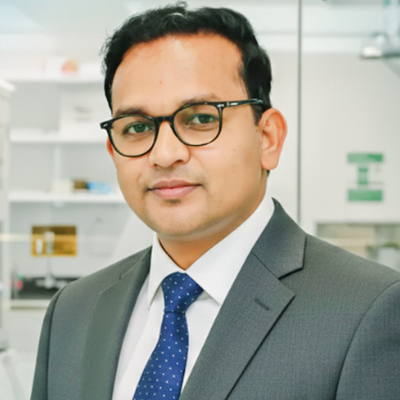
Johnson V. John
Assistant Professor and Principal Investigator at Terasaki Institute for Biomedical Innovation (TIBI)
Dr. Johnson V. John is an Assistant Professor and Principal Investigator at the Terasaki Institute for Biomedical Innovation (TIBI). His research focuses on the design and development of advanced biomaterials and nanotechnology-based platforms for applications in regenerative medicine, drug delivery, and tissue engineering. Dr. John’s work integrates materials science, bioengineering, and translational approaches to develop innovative therapeutic solutions aimed at improving patient outcomes. He leads a multidisciplinary research group dedicated to advancing next-generation biomedical technologies from bench to clinical application.
Title of the Talk
Building Healing from the Bottom Up: Modular Biomaterials in Regenerative Medicine
Affiliation
Terasaki Institute for Biomedical Innovation, 21100 Erwin St, Woodland Hills, CA 91367
Abstract
Traditional scaffold technologies in regenerative medicine have largely relied on bulk materials such as nanofibrous membranes and hydrogels. While effective in certain contexts, these static and homogeneous systems often fail to adapt to the dynamic and heterogeneous microenvironments of injured tissues. Over the past decade, growing efforts have focused on the development of modular biomaterials, which introduce a fundamentally different design philosophy for tissue repair. Rather than forming uniform bulk matrices, modular scaffolds assemble healing environments from microscale building blocks that are injectable, customizable, and inherently microporous. This modularity enables enhanced nutrient and oxygen transport, dynamic cell–material interactions, and the integration of multifunctional therapeutic elements, including growth-factor sequestration, immunomodulatory cues, and mechanically responsive features. Importantly, properties such as porosity, shape, mechanics, and bioactivity can be independently programmed to match specific wound microenvironments. Early successes with microgel-based fillers and microporous matrices highlight a clear shift away from static, one-size-fits-all dressings toward dynamic, adaptive, and modular therapeutics. This talk will place modular biomaterials within the broader trajectory of scaffold evolution and discuss how they are poised not only to accelerate healing outcomes but also to redefine regenerative strategies across diverse tissue types.
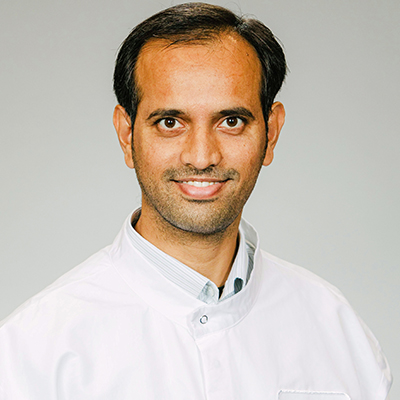
Khaja Shameem Mohammed Abdul
Postdoctoral Fellow in the Cardiovascular Signaling Laboratory at Huntington Medical Research Institutes (HMRI)
Dr. Khaja Shameem Mohammed Abdul is a Postdoctoral Fellow in the Cardiovascular Signaling Laboratory at the Huntington Medical Research Institutes (HMRI) in Pasadena, California. He earned his PhD from the University of Ruhuna, Sri Lanka, where he was recognized with two prestigious awards: the Vice Chancellor’s Fellowship from University of Ruhuna and the President’s Research Scholarship from the Ministry of Higher Education.
During 2018-2020, he was a post-doctoral fellow at Guangdong University of Technology, China. Where he discovered cardioprotective effects of a novel drug molecule JC105 which was later patented by the lab. Since 2021, Dr. Khaja Shameem joined HMRI as a post-doctoral fellow, where he investigates the role of protein phosphatases PHLPP1 and PHLPP2 in myocardial aging and injury. His work has been published in multiple peer-reviewed journals, including Journal of Molecular and Cellular Cardiology, International Journal of Cardiology, Journal of Cellular and Molecular Medicine and Biochimica et Biophysica Acta-Molecular Cell Research.
Dr. Mohammed Abdul’s long‑term career goal is to become an independent scientist advancing the field of cardiovascular research. Dr. Mohammed Abdul also contributes to the scientific community as an Editorial Board Fellow for Current Opinion in Physiology and as an Editorial Board Member for The Open Cardiovascular Medicine Journal. Beyond his laboratory work, he has served as a Social Media Ambassador for the American Heart Association and as a communications Committee member for the Society for South Asian Heart Research.
Title of the Talk
PHLPP1: The Missing Link in Nicotine Induced Cardiac Damage
Abstract
Nicotine exposure is known to cause oxidative stress and mitochondrial dysfunction in the heart, yet the molecular mechanisms linking nicotine to cardiomyocyte injury remain unclear. Our work identifies Pleckstrin Homology Domain Leucine-Rich Repeat Protein Phosphatase 1 (PHLPP1) as a key mediator of nicotine induced cardiac damage. We found that nicotine significantly elevates PHLPP1 expression in the adolescent rodent heart and in cardiomyocytes, coinciding with increased NOX4 levels, reactive oxygen species production, and apoptosis. Mechanistic studies revealed that nicotine activates the ERK–4E BP1 signaling axis to promote PHLPP1 protein synthesis, and inhibiting ERK or translation effectively blocks this response. Importantly, PHLPP1 was necessary and sufficient for nicotine induced mitochondrial dysfunction. Together, these findings uncover a novel pathway through which nicotine drives cardiomyocyte injury and highlight PHLPP1 as a potential therapeutic target in tobacco and e cigarette related cardiac injury.